HVAC • 2026-11-15
How to Lower Ac Bill in Florida: Save Money with Smart Cooling
Florida summers can send your AC bill soaring, but staying cool doesn’t have to cost a fortune. This guide shows how simple thermostat changes, duct sealing, and smart upgrades can cut your cooling costs by 15 to 30 percent.
Compare low-cost fixes with bigger investments like a SEER-15 unit, including typical costs and payback times. You’ll also find easy tips on ceiling fans, regular maintenance, off-peak rates, and shade trees to keep your bills low all year.
Subscribe to our newsletter
Our bi-weekly newsletter full of inspiration, podcast, trend and news.
How to Lower Ac Bill in Florida: Save Money with Smart Cooling
How to lower ac bill in florida is the subject of this in-depth guide. Do you feel the sting of a high AC bill every summer in Florida? You’re not alone—many homeowners see spikes when the mercury climbs. [1]
Finding ways to lower ac bill in florida doesn’t have to mean sacrificing comfort. Small changes and smart choices can trim your monthly cost dramatically.
Quick Answer: You can lower your AC bill in Florida by 15‑30% by setting your thermostat to 78°F, sealing duct leaks, and upgrading to a SEER‑15 unit; each step costs $50‑$3,000 and pays back in 1‑5 years.
What Is How To Lower AC Bill In Florida?
how to lower ac bill in florida is the process of reducing the amount you pay each month for cooling your home. It includes thermostat management, sealing air leaks, upgrading equipment, and using smart habits. Homeowners, renters, and property managers all benefit from these steps.
Three Core Strategies to Cut Your AC Costs
Each strategy targets a different source of waste. Combine them for the biggest savings.
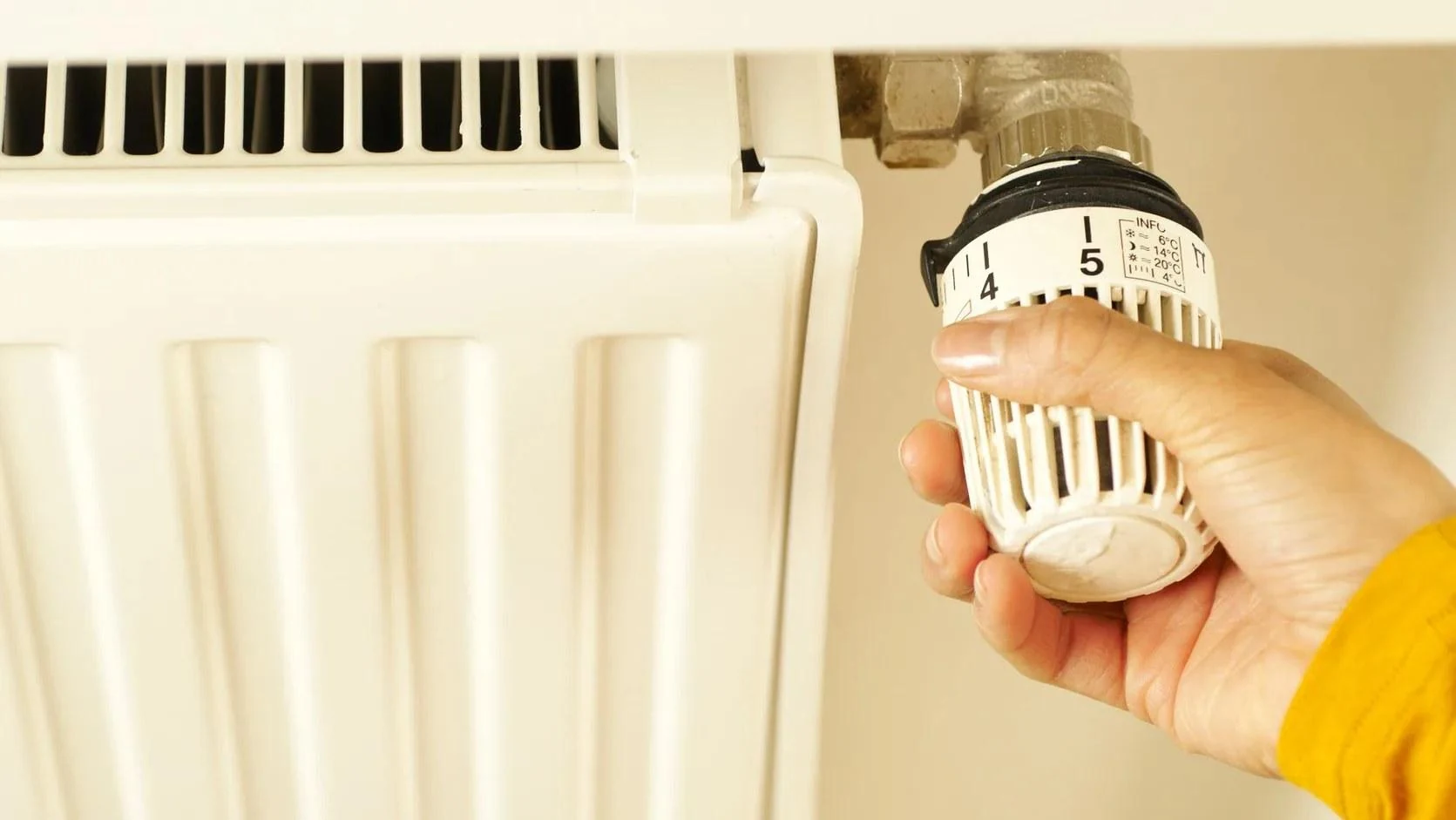
1. Thermostat Management
Setting your thermostat to 78°F when you’re home and raising it to 85°F while you’re away can cut cooling energy use by up to 10% [2]. Programmable or smart thermostats cost $50‑$250 and let you automate these changes without forgetting.
Program your thermostat to lower the temperature by 2 °F during the first two hours after sunrise and raise it by 3 °F after sunset. In a 1,800 sq ft home this pattern can shave about 12 kWh per day, roughly $4‑$6 on the bill. The savings grow as outdoor temps climb above 90 °F.
Even a manual adjustment of just a few degrees saves money. The key is consistency—avoid the temptation to lower the temperature each time the heat rises.
Best for: Homeowners who spend most of their time at home and want a low‑cost, high‑impact fix.
2. Seal and Insulate
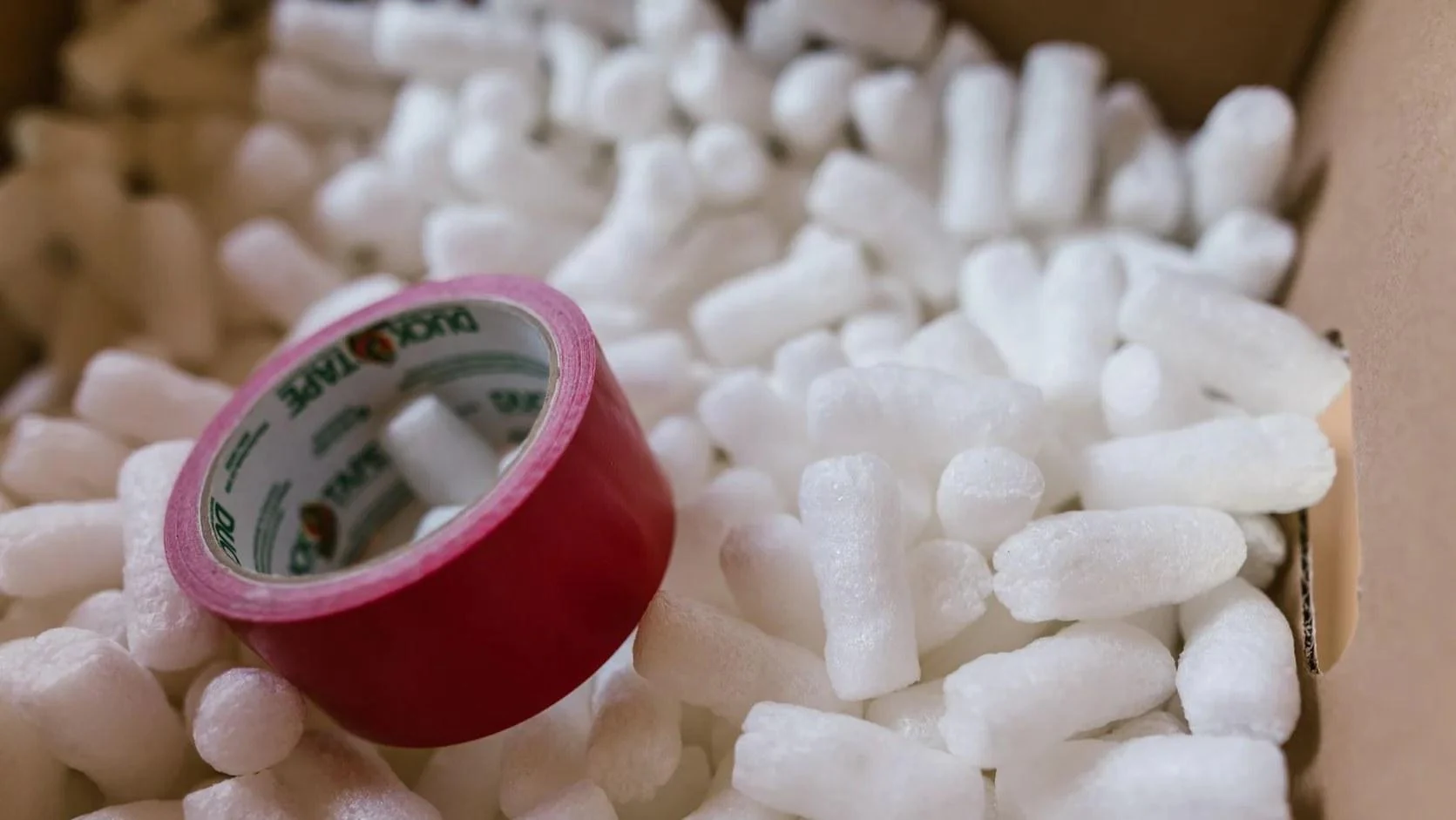
Leaky ducts and unsealed windows let cool air escape [3]. A simple duct‑seal kit runs $30‑$70 and can recover 5‑15% of lost cooling power.
- Check ductwork with a smoke pen; seal gaps with mastic or UL‑listed foil tape ($0.25‑$0.50 per foot).
- Install door sweeps; typical kits cost $15‑$30 and reduce infiltration by up to 10 %.
- Upgrade attic insulation to R‑38; expect a $0.30‑$0.50 per square‑foot cost and a 5‑10 % reduction in cooling load.
Adding weatherstripping around doors and attic insulation of R‑30 to R‑38 reduces the load on your unit, especially in the hot Gulf Coast counties.
Best for: Older homes with visible gaps or high‑rise apartments where ductwork is exposed.
3. Upgrade the Unit
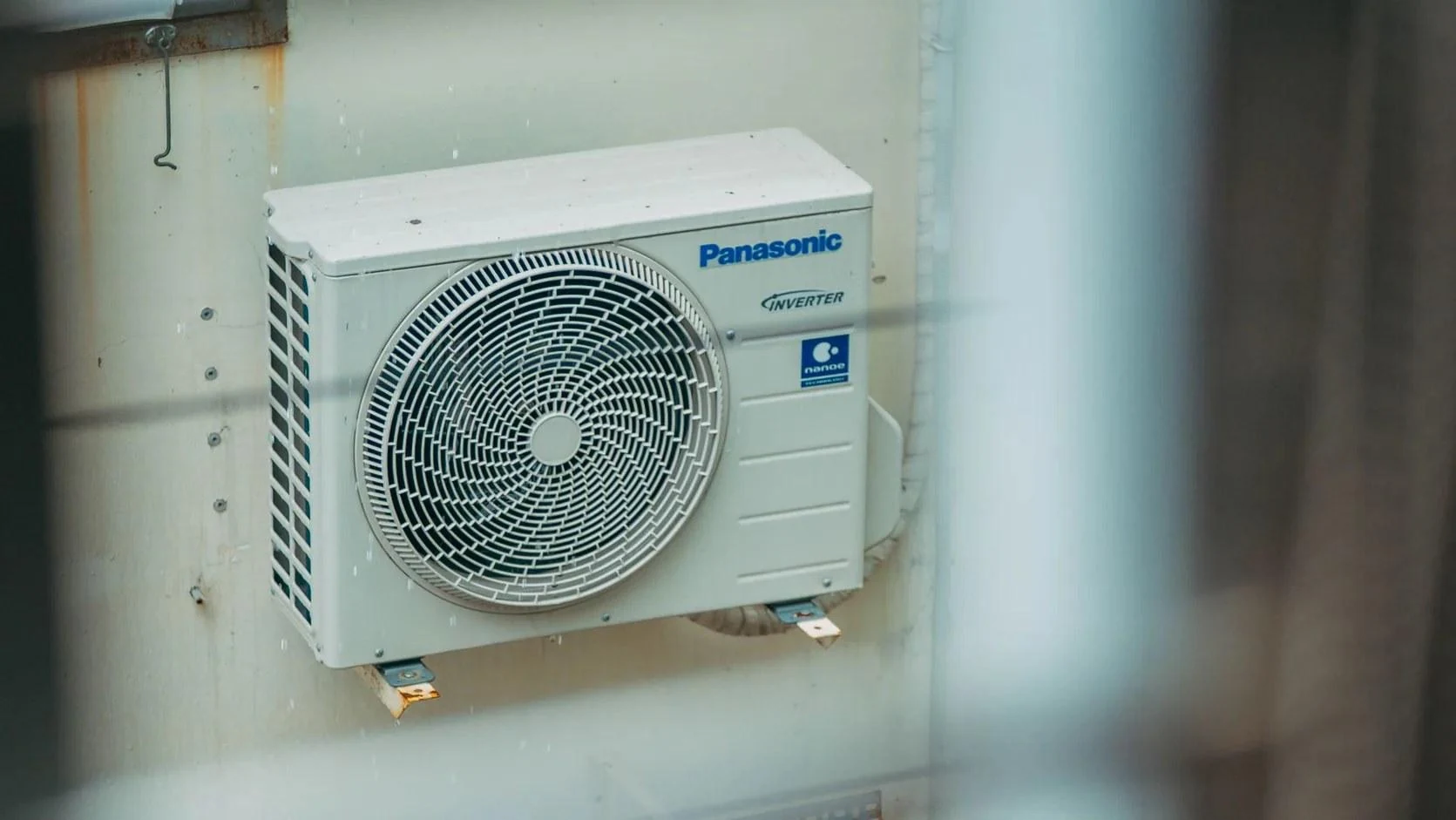
A modern SEER‑15 split system uses about 30% less electricity than a SEER‑10 model common in many Florida homes built before 2010. Installation typically costs $2,500‑$3,500, with a payback period of 3‑5 years based on average usage.
When choosing a replacement, compare SEER ratings and look for inverter‑driven compressors, which adjust speed continuously and can improve efficiency by another 5‑10 % over fixed‑speed models. Many dealers offer 0‑% financing for 12‑24 months, spreading the $2,500‑$3,500 cost.
If a full replacement is out of reach, consider a ductless mini‑split for a single room. These units start around $1,200 and can be a cost‑effective bridge.
Best for: Homes with aging equipment or those planning major renovations.
Comparison of Cost‑Saving Options
Look at the typical upfront cost, expected lifespan, effort required, and who benefits most.
Comparison of Cost‑Saving Options
| Option | Typical Cost | Lifespan | Effort | Best For |
|---|---|---|---|---|
| Thermostat Management | $50-$250 | 10-15 years | Low | All homeowners |
| Seal and Insulate | $30-$150 | 15-20 years | Medium | Older houses |
| Upgrade Unit | $2,500-$3,500 | 12-15 years | High | High-usage homes |
Costs are average market prices in Florida; lifespan estimates are manufacturer warranties.
Expert Insight: A veteran HVAC technician will tell you that the single biggest mistake is ignoring regular maintenance; a clean coil and fresh filter keep the system running at peak efficiency.
Additional Ways to Keep Bills Low
Use Ceiling Fans
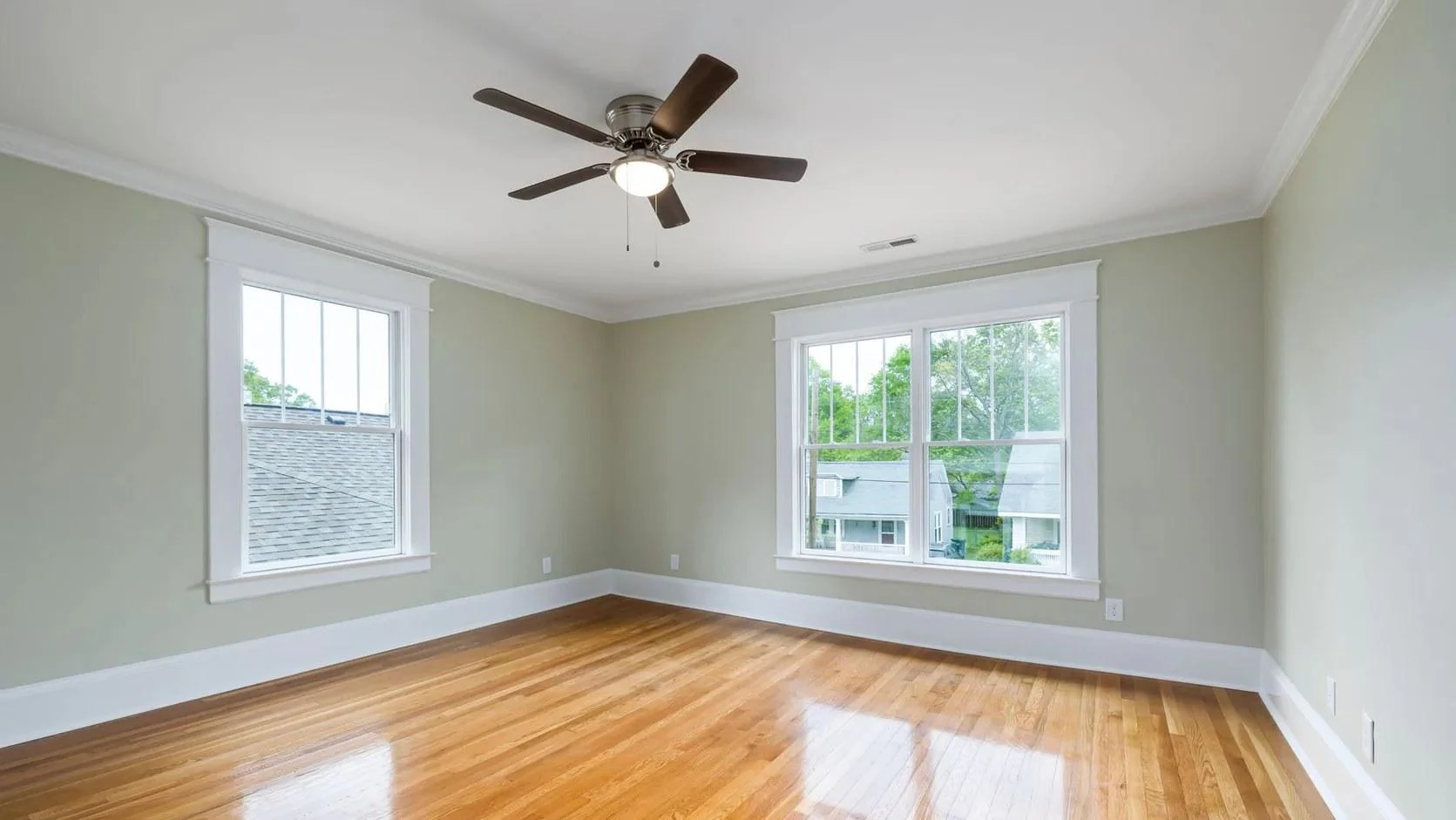
Running a fan at medium speed lets you feel comfortable at a higher thermostat setting. Fans use about 75 watts, a fraction of an AC unit’s draw.
Schedule Regular Maintenance
Cleaning coils and changing filters each spring keeps efficiency up. A professional service costs $100‑$150 and can improve performance by 5%.
Take Advantage of Off‑Peak Rates
Some Florida utilities offer lower rates after 9 p.m. Running the AC only when needed during peak hours can shave $20‑$40 off a typical bill.
Plant Shade Trees
Strategically placed trees block afternoon sun, reducing indoor temperature by 2‑4°F and cutting cooling load.
Pro Tip: Install a smart thermostat and set a weekly schedule; the automation saves more than manual tweaks because it eliminates forgetfulness.
Conclusion
Lowering your AC bill in Florida is a mix of behavior, maintenance, and smart upgrades. Start with the cheapest actions—thermostat settings and sealing leaks—then evaluate if a unit upgrade fits your budget.
By taking these steps, you’ll enjoy a cooler home, a smaller electric bill, and a greener footprint without sacrificing comfort.
Frequently Asked Questions
Raising the thermostat to 78°F typically reduces cooling energy use by 5‑10%, saving $30‑$70 per month in most Florida homes.
You can seal small gaps yourself with foil tape, but a professional duct‑sealing service ensures airtight connections and can recover up to 15% of lost efficiency.
Yes, because it uses about 30% less electricity than older units, paying for itself in lower bills within 3‑5 years for average usage.
Florida utilities often offer rebates of $200‑$500 for qualifying AC upgrades or smart thermostats; check your local provider’s program.
References
Research in Higher Education (2021). Do Colleges Perform the Same Following Developmental Education Reform? The Case of Florida’s Senate Bill 1720. https://doi.org/10.1007/s11162-021-09641-z
Journal of Maps (2023). Spatial disparities in air conditioning ownership in Florida, United States. https://doi.org/10.1080/17445647.2023.2253262
FIU Law Review (2012). The Impact of “Anti-Sharia” Legislation on Arbitration and Why Judge Nielsen in Florida Got It Right. https://doi.org/10.25148/lawrev.8.1.14
Subscribe to our newsletter
Our bi-weekly newsletter full of inspiration, podcast, trend and news.